TTTJILI Understanding Game Variance
TTTJILI: Mastering Game Variance for Advanced Players
Welcome, advanced players, to a deep dive into one of the most critical, yet often misunderstood, concepts in online gaming: game variance. At TTTJILI, we believe that true mastery comes not just from understanding the rules, but from comprehending the underlying mathematical realities that govern your gameplay. Variance, in simple terms, refers to the short-term fluctuations in results that deviate from a game's expected return. While the house always has an edge in the long run, understanding variance allows you to manage your bankroll more effectively, make informed strategic decisions, and ultimately enhance your gaming experience. This guide will equip you with the advanced insights needed to navigate the unpredictable nature of online casino games, helping you turn potential pitfalls into strategic advantages. Are you ready to elevate your game?
What is Game Variance? The Core Concept
Game variance, often interchangeably used with 'volatility,' is a statistical measure that quantifies how far a set of random numbers (your game outcomes) are spread out from their average expected value. In the context of online casino games, it describes the degree to which your actual short-term results will differ from the theoretical return to player (RTP) percentage. A high variance game will see larger swings in results – periods of significant wins followed by extended losing streaks – while a low variance game will offer more consistent, smaller wins and losses, staying closer to its theoretical RTP over a shorter period.
For advanced players on TTTJILI, grasping this concept is fundamental. It's not about whether you'll win or lose in the long run – the house edge ensures that – but about understanding the journey your bankroll will take. High variance games offer the allure of massive payouts but demand a larger bankroll and greater patience to weather the dry spells. Low variance games, conversely, provide a steadier experience, ideal for players who prefer longer sessions with less risk of rapid bankroll depletion. Recognizing a game's variance helps you align your playing style and bankroll management with its inherent risk profile.
Calculating and Interpreting Variance in Casino Games
While players typically don't calculate variance directly, understanding how it's derived helps in interpreting game information. Variance is often expressed as a standard deviation, which indicates the typical deviation from the mean (RTP). Game providers sometimes label their slots as 'high,' 'medium,' or 'low' volatility, but for other games, you need to infer it from the payout structure.
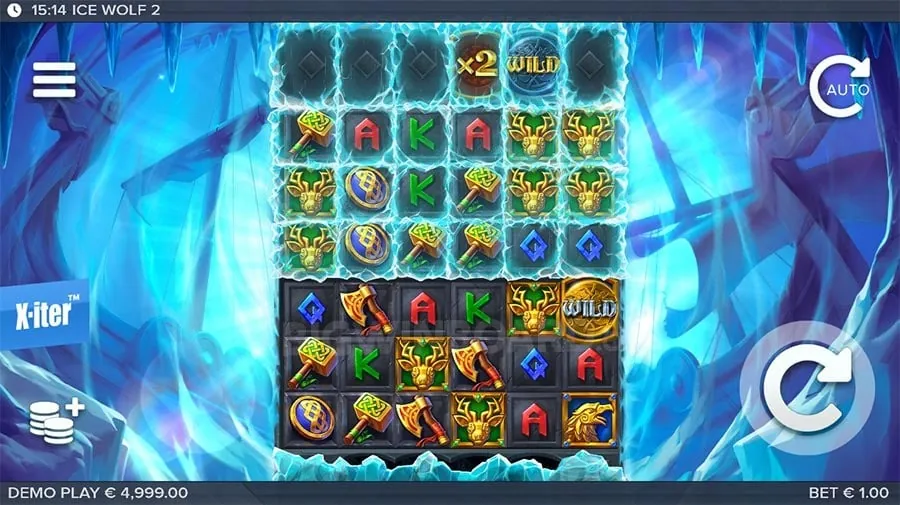
For example, in slot games, look at the paytable. A game with a few very high-paying symbols and many low-paying ones, combined with infrequent bonus rounds offering large multipliers, is likely high variance. Conversely, a slot with more frequent, smaller wins and less extreme top payouts suggests lower variance. In table games, the variance is tied to the odds and payouts of specific bets. Betting on single numbers in roulette is high variance, offering large payouts but rarely hitting. Betting on red/black or odd/even is low variance, with frequent, smaller wins.
Interpreting this means adjusting your expectations and strategy. If you're playing a high variance game on TTTJILI, anticipate longer losing streaks and don't be discouraged. The big win could be just around the corner, but it requires enduring the downswings. For low variance games, expect a more gradual grind, where small, consistent wins accumulate over time.
Advanced Bankroll Management Strategies for High Variance Games
Effective bankroll management is paramount when dealing with game variance, especially in high-volatility scenarios. For advanced players at TTTJILI, this goes beyond simply setting a budget. Here are some sophisticated strategies:
- Unit Sizing Adjustment: In high variance games, reduce your bet unit size relative to your total bankroll. If you normally bet 1% of your bankroll per spin in a low variance slot, consider reducing it to 0.5% or even 0.25% for a high variance one. This ensures you have enough capital to withstand extended losing streaks until a big win potentially materializes.
- Session Bankroll Allocation: Divide your total bankroll into smaller session-specific bankrolls. If you lose your session bankroll, walk away for the day. This prevents chasing losses and protects your overall funds.
- Win/Loss Limits: Implement strict win and loss limits for each session. For high variance games, your loss limit might need to be higher in absolute terms to account for the swings, but your win limit should also be set to lock in profits when a lucky streak hits.
- Risk of Ruin Calculation: Advanced players can delve into calculating the 'risk of ruin,' which is the probability of losing your entire bankroll given a certain bet size, game edge, and variance. While complex, understanding this concept encourages more conservative bankroll management for high variance games.
- Progressive Betting (with caution): While generally discouraged due to increasing risk, some advanced strategies involve carefully controlled progressive betting systems that attempt to capitalize on short-term variance swings. However, these require deep understanding and strict adherence to limits.
Understanding Variance in Different TTTJILI Games
Variance manifests differently across the diverse range of games available at TTTJILI. Knowing these distinctions is key to strategic game selection:
- Slots: This is where variance is most pronounced and widely discussed. Megaways slots, jackpot slots, and those with cascading reels or massive multipliers are typically high variance. Classic 3-reel slots or those with frequent small payouts are generally lower variance. Always check the game's information for volatility ratings if available.
- Table Games (Blackjack, Baccarat, Roulette): These games generally have lower variance compared to slots, especially when playing optimal strategy (e.g., basic strategy in blackjack). Bets with near 50/50 odds (like red/black in roulette or Player/Banker in baccarat) offer the lowest variance. Bets with higher payouts (e.g., single number in roulette) introduce higher variance.
- Live Casino Games: Similar to their RNG counterparts, live dealer games like Live Blackjack and Live Roulette offer relatively low variance betting options. However, certain side bets can significantly increase variance.
- Poker: Poker, especially multi-table tournaments, is a game of extremely high variance. Even professional players experience long downswings due to bad beats or running into better hands. Cash games tend to have lower variance than tournaments, but still higher than most table games.
- Arcade Games & Originals: These can vary wildly. Some may have very low variance with consistent small wins, while others might offer huge multipliers or jackpots, making them high variance. It's crucial to examine their payout structures.
Choosing a game with the right variance profile for your bankroll and risk tolerance is a hallmark of an advanced player.
Psychological Impact of Variance and How to Mitigate It
The emotional rollercoaster of game variance can be one of the biggest challenges for even the most seasoned players. Long losing streaks, characteristic of high variance games, can lead to frustration, tilt, and poor decision-making (e.g., increasing bet sizes to chase losses). Conversely, a long winning streak might lead to overconfidence, causing players to bet more aggressively than their bankroll allows.
To mitigate the psychological impact on TTTJILI:
- Expect the Swings: The most crucial step is to mentally prepare for variance. Understand that losing streaks are a natural part of the game, not a personal attack.
- Stick to Your Plan: Develop a strict bankroll management plan and adhere to it regardless of short-term results. This provides a sense of control amidst unpredictability.
- Take Breaks: If you feel frustration building, step away from the game. A short break can clear your head and prevent emotional decisions.
- Focus on Long-Term EV: Remember that variance is a short-term phenomenon. For games where strategy can influence outcomes (like blackjack or poker), focus on making the correct decisions based on Expected Value (EV), knowing that positive EV decisions will pay off over the long run, despite short-term variance.
- Celebrate Small Wins: In low variance games, acknowledge and appreciate the consistent smaller wins to maintain a positive mindset.
Pros and Cons of Embracing Variance in Your Strategy
Understanding and embracing variance allows advanced players to make deliberate choices rather than being victims of chance. Here’s a balanced view:
Pros:
- Opportunity for Big Wins: High variance games offer the potential for massive payouts, which can be highly appealing for players seeking significant returns on their investment.
- Excitement and Adrenaline: The unpredictable nature of high variance games can lead to a more thrilling and exciting gaming experience.
- Strategic Advantage: Players who understand variance can tailor their bankroll management and game selection to optimize their chances of achieving specific goals (e.g., hitting a jackpot vs. extended playtime).
- Promotional Advantage: Some TTTJILI promotions might be better suited for high or low variance play, and knowing this helps you maximize their value.
Cons:
- Risk of Rapid Bankroll Depletion: The most significant downside of high variance is the increased risk of losing your bankroll quickly during a prolonged cold streak.
- Psychological Strain: As discussed, the emotional toll of significant swings can lead to tilt and poor decision-making.
- Requires Larger Bankroll: To effectively play high variance games and withstand the swings, a larger initial bankroll is often necessary.
- Less Consistent Returns: For players seeking steady, predictable returns, high variance games are not suitable.
Ultimately, the choice depends on your personal goals, risk tolerance, and bankroll size. An advanced player at TTTJILI knows how to leverage variance to their advantage, choosing games and strategies that align with their objectives.
Mastering game variance is not about eliminating risk, but about understanding and managing it. By applying these advanced strategies and insights, you can navigate the exciting world of online casino gaming at TTTJILI with greater confidence and control. Remember, consistency in strategy and disciplined bankroll management are your best allies against the whims of chance. Are you ready to put your knowledge to the test? Explore our wide array of games and apply these principles today. Register now and elevate your gaming journey!
Frequently Asked Questions
Question 1: Can variance be completely eliminated in online casino games?
No, variance is an inherent statistical property of all games of chance and cannot be completely eliminated. It represents the natural fluctuations in short-term results. Even games with very low variance will still have periods where results deviate from the expected average. The goal is to understand and manage it, not eliminate it.
Question 2: How does RTP relate to variance?
RTP (Return To Player) is the theoretical long-term percentage of wagered money a game pays back to players. Variance, on the other hand, describes the short-term fluctuations around that RTP. A game can have a high RTP but also high variance, meaning it pays out a lot over time, but with large, infrequent wins. Conversely, a game can have a similar RTP but low variance, paying out smaller, more frequent wins.
Question 3: Is it better to play high or low variance games?